Zhouqiao Bridge Site and Bianhe Canal Ruins
Introduction
The Zhouqiao Bridge Site and Bianhe Canal Ruins represent a significant archaeological discovery situated in Kaifeng, Henan province. This site is closely associated with the period of the Northern Song Dynasty and plays a crucial role in understanding the urban history and infrastructural advancements of the era. The Zhouqiao Bridge and Bianhe Canal were integral parts of the city's infrastructure, serving as a bridge and a canal, respectively. They were key elements of the Grand Canal, the longest artificial waterway in the world, which significantly contributed to the socio-economic development, cultural exchanges, and transportation systems during the Song Dynasty (960-1279). This archaeological site has provided invaluable insights into the architectural techniques, urban planning, and cultural heritage of ancient China. It was listed among the "Top 10 New Archaeological Discoveries of 2022".
Historical Background
The Zhouqiao Bridge and Bianhe Canal were constructed during the Tang Dynasty (618-907), but they gained particular prominence during the Northern Song Dynasty. Kaifeng, known as Dongjing during the Song period, was the capital city and a bustling hub of commerce and culture. The bridge and canal were strategically located at the intersection of Yujie, a major road, and the Bianhe River, forming a vital part of the Grand Canal network. This network facilitated trade and communication across different regions of China, enhancing the economic prosperity and cultural vibrancy of the Song capital. The structures reflect the advanced engineering skills and urban planning strategies of the time, and their history is intertwined with the rise and fall of the Song Dynasty and subsequent dynasties. The site provides a glimpse into the city's past, highlighting its significance as a cultural and economic center.
Discovery and Excavation
Site Discovery
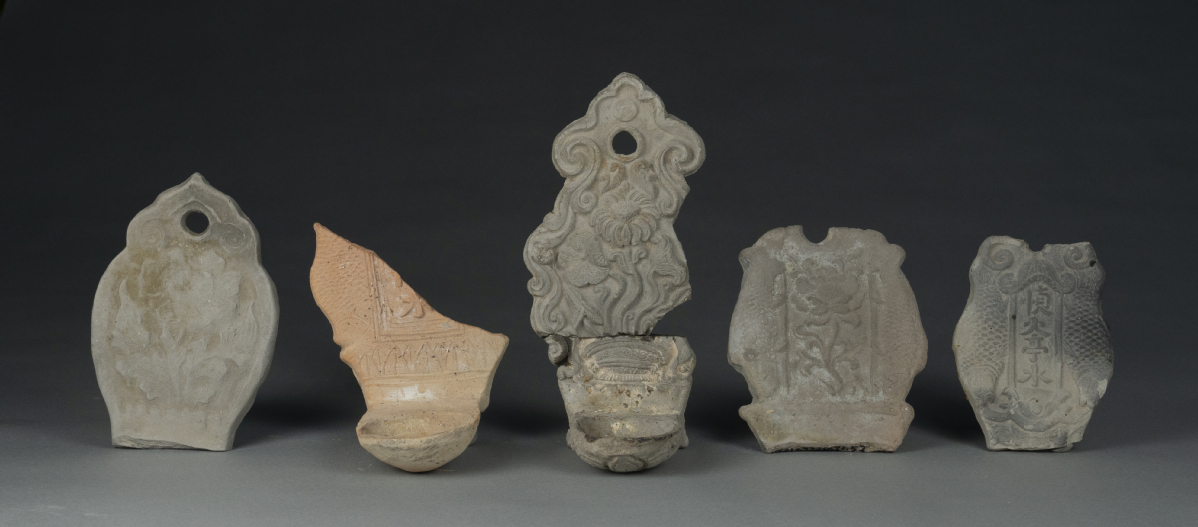
The discovery of the Zhouqiao Bridge Site and Bianhe Canal Ruins was a monumental event in Chinese archaeology. They were buried in mud in 1642 during the Ming Dynasty (1368-1644), subsequently hidden until modern excavations brought them to light. The excavation efforts have unearthed various components of the site, revealing the sophisticated construction techniques and materials used. The archaeological findings have uncovered different structures of the bridge from the Song and Ming dynasties, including stone carvings with auspicious patterns and mythical motifs, which illustrate both the artistic and functional aspects of the architecture.
Archaeological Studies
Archaeological studies of the Zhouqiao Bridge and Bianhe Canal have focused on understanding their design, construction and historical context. The bridge's design during the Song Dynasty was characterized by its elegant stonework and functional design, while the canal played a crucial role in the transportation and irrigation systems of the region. Researchers have analyzed the materials and methods used in construction, contributing to a broader understanding of Song Dynasty engineering and architecture. The studies have also shed light on the urban planning of Kaifeng, offering evidence of the city's layout and infrastructure during its peak.
Architectural Features
Zhouqiao Bridge Design
The Zhouqiao Bridge was an architectural marvel of its time, showcasing the advanced engineering and aesthetic sensibilities of the Song Dynasty. The bridge was constructed using high-quality stone, with intricate carvings and designs that reflected the cultural themes of the era. The structure was both functional and decorative, serving as a critical crossing point over the Bianhe River while also symbolizing the city's prosperity and cultural sophistication. The bridge's design included multiple arches, allowing for efficient water flow and stability. Its construction techniques and materials demonstrate a high level of craftsmanship and innovation, making it a notable example of Song Dynasty architecture.
Bianhe Canal Structure
The Bianhe Canal was an essential component of the Grand Canal system, which facilitated trade and communication across China's vast territories. The canal's structure was designed to support the transportation of goods and people, with carefully constructed embankments and water control mechanisms. The canal's walls were adorned with stone carvings depicting mythical sea beasts, cranes and clouds, adding an artistic dimension to its functional role. The canal played a significant role in the economic and cultural exchanges during the Song Dynasty, highlighting the importance of waterway infrastructure in supporting the prosperity of ancient cities like Kaifeng.
Cultural Significance
Role in Transportation
The Zhouqiao Bridge and Bianhe Canal were vital components of the transportation network during the Northern Song Dynasty. They facilitated the movement of goods and people, contributing to the economic vitality of Kaifeng as a major trade and cultural center. The Grand Canal, of which the Bianhe Canal was a part, connected various regions of China, enabling the flow of commodities, ideas and cultural practices. This extensive network supported the integration of different regions, enhancing the cohesion and development of the Song Dynasty and subsequent periods.
Historical Impact
The historical impact of the Zhouqiao Bridge and Bianhe Canal extends beyond their functional roles. They symbolize the technological advancements and cultural achievements of the Song Dynasty, reflecting the era's emphasis on innovation, artistic expression and urban development. The site provides a window into the past, offering insights into the social, economic and cultural dynamics of one of China's most prosperous periods. The archaeological findings from the site continue to inform our understanding of the historical narrative of Kaifeng and its significance within the broader context of Chinese history.
Preservation Efforts
Preservation efforts for the Zhouqiao Bridge Site and Bianhe Canal Ruins are crucial for safeguarding this invaluable piece of cultural heritage. Archaeologists and conservationists are working to protect and restore the site, ensuring its structural integrity and historical authenticity. These efforts include stabilizing the remaining structures, conserving the stone carvings and other artifacts, and implementing measures to prevent further deterioration. The site is also being developed as an educational and cultural resource, providing opportunities for public engagement and learning. Preservation initiatives aim to balance the site's historical significance with the need for accessibility and sustainable tourism.








